

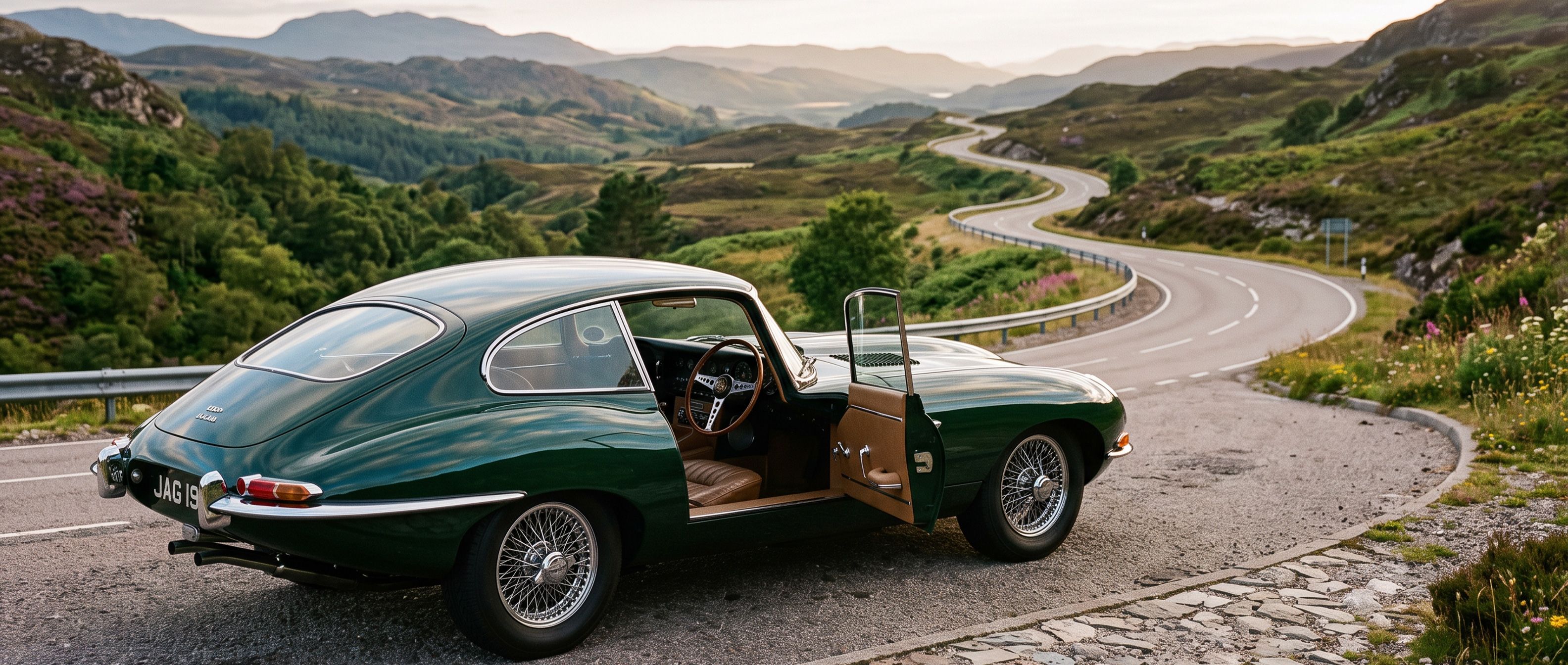
The Freedom Car
- Author
- Norman Featherstone
- Reading Time
- Approx. 7 Minutes
In America there is a new debate arising surrounding motor vehicles, called “The Freedom Car.”
Modern vehicles have become increasingly connected, much like our smartphones, they're now packed with software, applications, sensors and systems designed to make our lives easier, safer and more convenient.
But take a moment and look around. Everywhere you go, people are glued to their phones not watching where they are going or what they're doing. While these devices have undoubtedly improved communication and accessibility, they have also become tools for collecting information about our habits, routines and behaviour. In many cases, that data is shared, analysed and used in ways most people never even consider.
The same trend is now finding its way into the modern motor vehicle. Manufacturers are competing to outdo one another with even more advanced technology, while governments continue introducing regulations that encourage the development and implementation of these systems. The result is a vehicle that is becoming less mechanical and increasingly more digital.
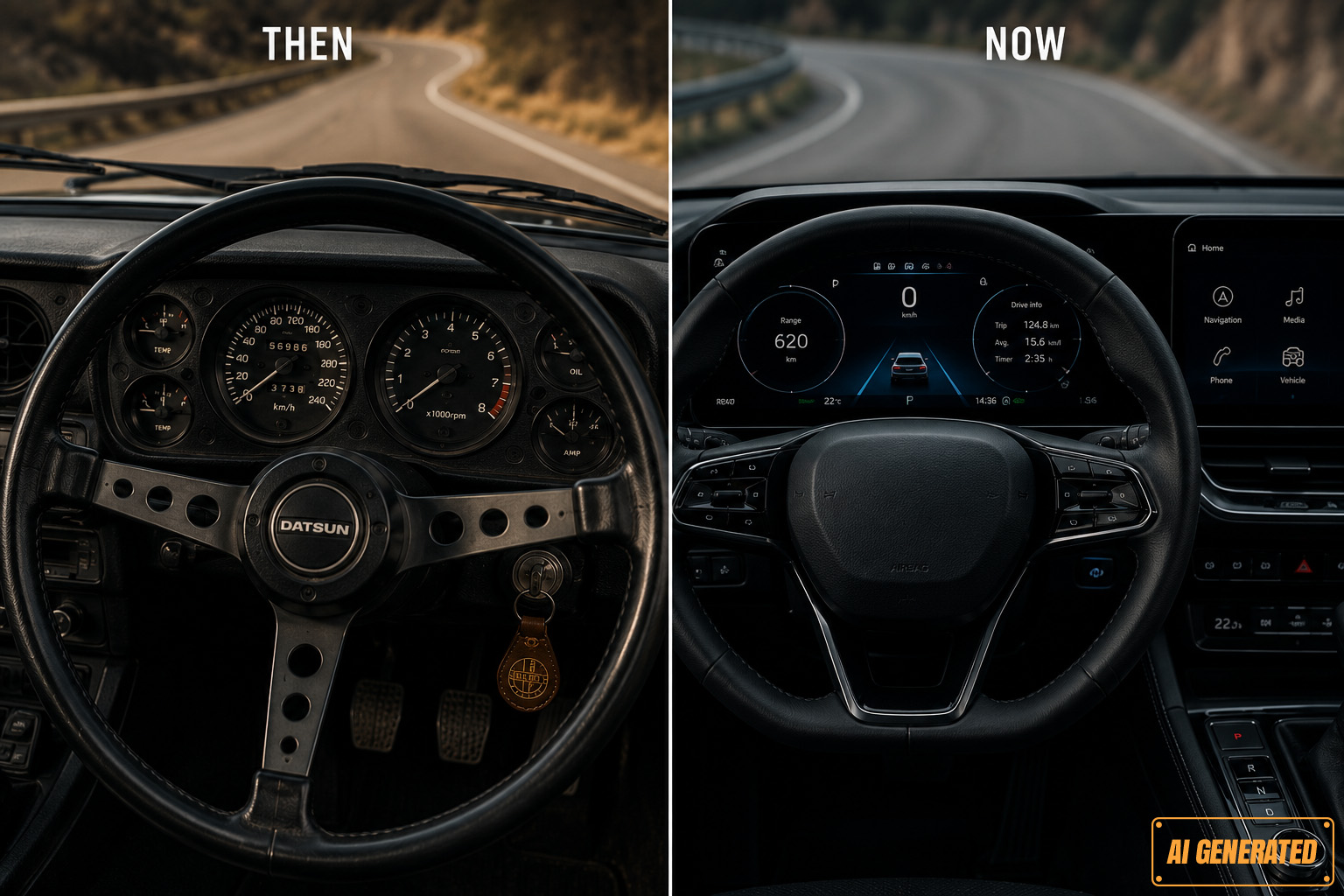
Imagine driving a vehicle with TV screen covering where your dashboard once was warning you when you've drifted from your lane, exceeded the speed limit, taken a corner too quickly or, driven for longer than recommended without stopping.
Now imagine taking it one step further. Imagine sitting behind the wheel of a vehicle that drives itself while you sit back and watch a movie on Netflix or Apple TV. The vehicle does the driving. You simply become a passenger.
Then, consider this. Imagine receiving a call from your short term insurance broker, informing you that your premium has increased significantly due to your driving style. Curious, you ask how they know. The answer? Data collected by your vehicle has been shared with the insurer, providing a detailed record of how, when and where you drive.
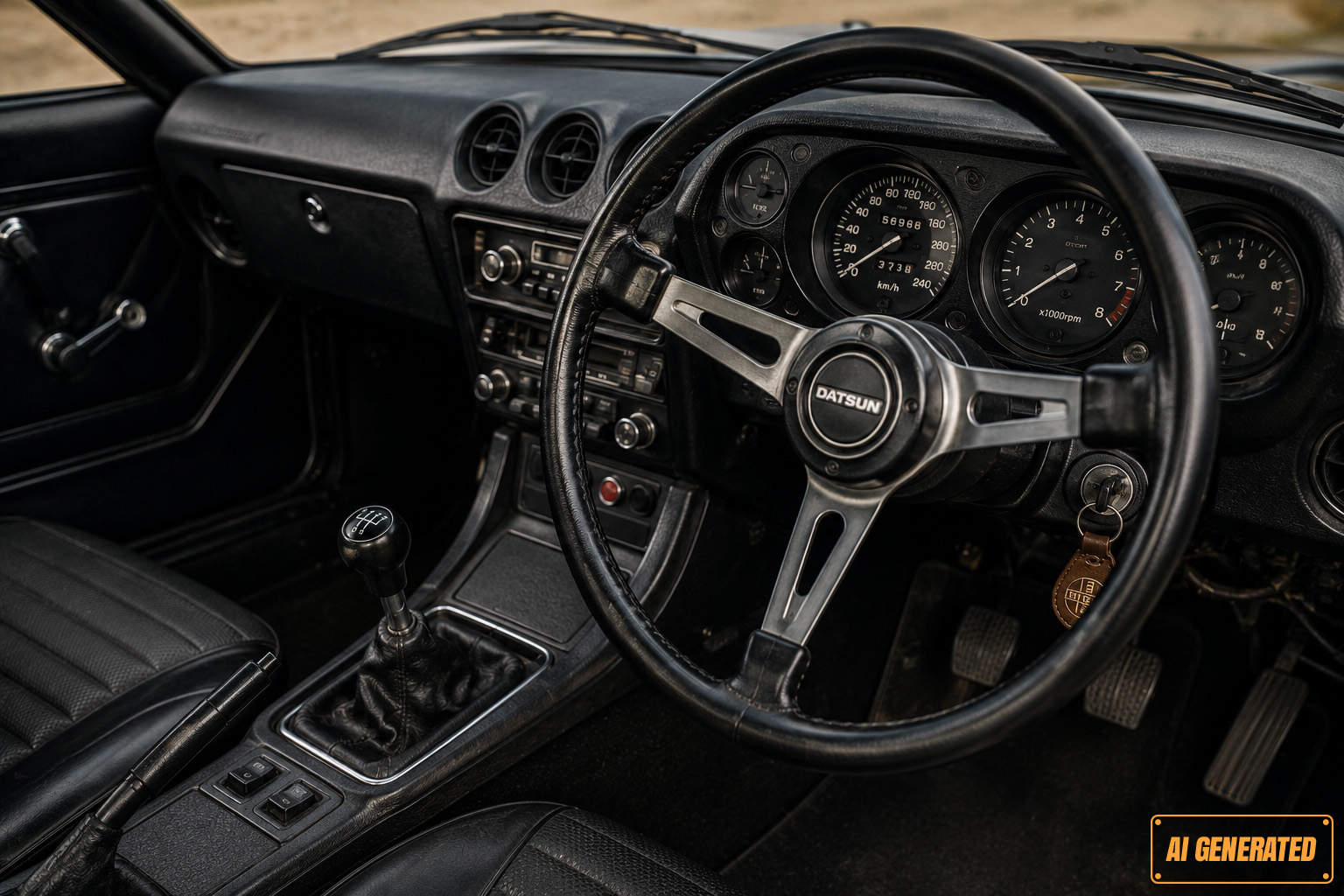
It sounds far-fetched, yet many modern vehicles already collect enormous amounts of information through cameras, sensors and onboard computers. These systems monitor the vehicle, the road and, increasingly, the driver. Software updates are downloaded remotely, data is uploaded to manufacturers and information is constantly being gathered in the background.
The question is whether all of this is making driving better, or simply, making drivers easier to monitor. At what point do convenience and safety begin to erode the very thing that made motoring appealing in the first place? Freedom of driving from a to b. Recently I came across a quote that perfectly captured the essence of this debate:
"Just you, the steering wheel, and the ability to make mistakes in peace."
That, in many ways, is the idea behind The Freedom Car.
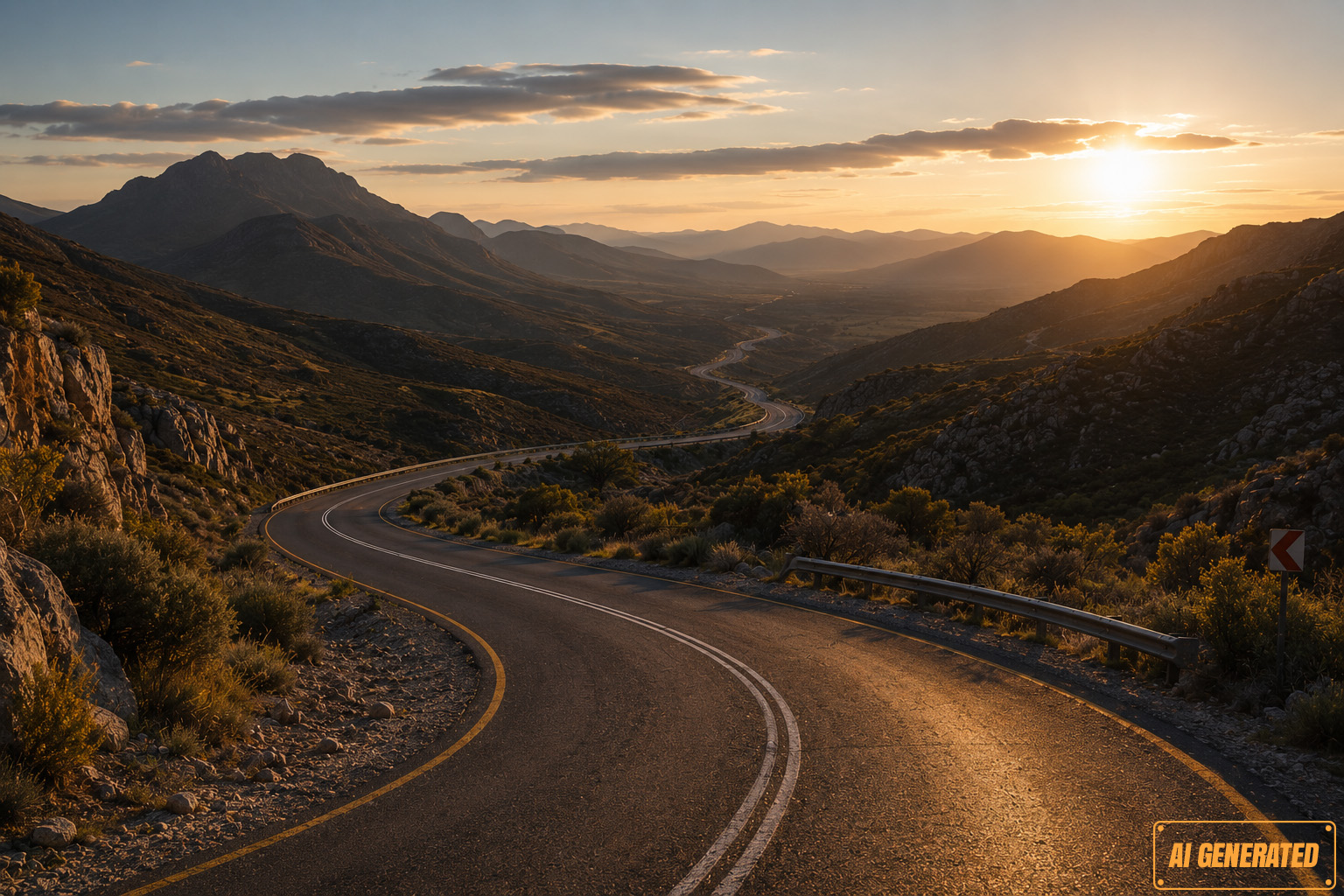
A car that allows you to take a wrong turn. That doesn't know where you are. That doesn't constantly monitor your behaviour. That doesn't intervene every time you make a decision. A car that leaves you alone with your choices — and their consequences.
This is not necessarily an argument against safety or technological progress. Modern systems have undoubtedly saved lives and continue to do so. Rather, it raises an important question: How much control are we willing to hand over in exchange for convenience? Do we want vehicles that increasingly make decisions on our behalf? Or do we still value the responsibility, freedom and engagement that come from being in complete control of the machine we're driving?
It's a debate that is gaining momentum overseas and one that will undoubtedly find its way into motoring discussions around the world.

The question remains
Do we want all of this control being included in the modern motor vehicle, which includes control over our lives in every aspect, or do we want all of these controls excluded so that we, the driver, stay in control of our vehicle irrespective of the consequences.
That is the question and in the States this aspect is being looked into, do we want to be forcefully protected or do we want to take the risks and suffer the consequences.
This we certainly did in the past!!!